
Another cold shower. Another repair bill. If your tankless water heater keeps shutting down, you’re not just unlucky—and you’re definitely not alone. Many Northwest Chicago homeowners call us after experiencing two, three, or even four shutdowns in a single year. Often, they're convinced bad luck, their usage habits, or the brand of heater is to blame.
Living with ongoing hot water issues gets old fast. You may have swapped out parts, flushed the unit, or called more than one plumber. Yet the frustration lingers: why does the same problem keep coming back, even after multiple repairs?
Over four decades servicing homes in Mount Prospect and the Northwest suburbs, we’ve seen the real pattern: recurring shutdowns nearly always trace back to one thing—improper venting, installed against code or manufacturer requirements. Let’s break down what’s really happening behind these stubborn shutdowns, and how you can stop the cycle for good.
Why Tankless Water Heaters Really Shut Down Again & Again
When your tankless water heater keeps failing, it’s common to see a technician replace a flame sensor, reset the board, or suggest a flush. Maybe that works for a while. Then, a few weeks or months later, you’re facing cold showers and blinking error codes all over again.
This frustrating pattern is common across our service area—Mount Prospect, Des Plaines, Arlington Heights, and beyond. From the outside, it seems like technical glitches or low-quality parts are to blame. In truth, persistent shutdowns rarely start with faulty parts. The real trouble almost always starts with how the unit “breathes.”
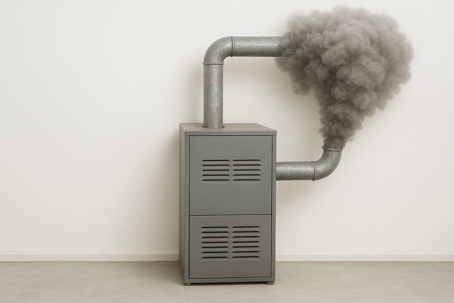
Improper venting—whether it’s the wrong clearance from combustibles, incorrect pipe material, or poorly routed venting—sets the stage for these failures. These mistakes often don’t cause problems immediately after installation but slowly build into patterns of repeated failures. Unless you address this core issue, every repair is just a temporary fix.
Improper venting can mimic other problems, making it tricky to diagnose. Error codes look like ignition or flame failures, and system resets might seem to help—for a little while. If every “fix” is only temporary, it’s time to dig deeper. In our experience, only a full venting code review puts an end to the pattern.
How Improper Venting Breaks the System: A Step-By-Step Breakdown
Your tankless water heater works like a sealed combustion engine. It needs a reliable fresh air supply for burning gas and a secure pathway to send exhaust safely outdoors. Both local building codes and the manufacturer spell out strict requirements for this venting system. If any part is off, performance and safety suffer.
Building codes require approved vent materials, which usually means Schedule 40 PVC, CPVC, or stainless steel. There also must be enough space (clearance) from combustibles, the right vent slope for condensation, and careful measurement of vent run lengths. Every exhaust also has to exit at an approved spot—well away from windows, doors, or air intakes to prevent dangerous backflow or re-entry into your home.
If the installer used an unapproved pipe, skipped proper clearances, or failed to maintain the correct slope, the heater won’t exhaust as designed. This can cause backdrafting, where exhaust pushes back inside the heater. Combustion air supply suffers, and the sensor detects unsafe burning, triggering a shutdown for safety. At first, these shutdowns may seem random, but over time as sensors and controls react to repeated airflow trouble, shutdowns become frequent and predictable.
The kicker: flame sensors don’t “know” they’re responding to venting errors. They just report ignition failure. Unless a technician checks the vent system against both code and manufacturer specs, these can be mistaken for bad parts. Leading tankless brands like Rinnai, Navien, and Noritz build out strict guidelines for a reason—your heater’s safety chain depends on getting this right.
The Hidden Signals of a Code-Level Venting Failure
Homeowners—and too often, even some repair techs—see shutdowns or “no hot water” errors and assume it’s just a bad part or a little wear and tear. But certain error codes and failure patterns are red flags that something deeper is wrong with venting, not just the components.
If your tankless regularly shows “flame failure,” “ignition failure,” “combustion abnormality,” or “exhaust over-temperature” errors—even after replacing sensors or boards—it’s time to suspect venting. In our work, two or more similar shutdowns in a year are usually due to systemic airflow issues. You might notice black residue or soot around the vent, abnormal smells, or unusually hot air blowing near exhaust outlets.
Visual warning signs are common. Watch for horizontal vent runs that look too long, pipes without a visible slope, or plain white pipe that isn’t marked for venting use. Manufacturer data plates on the heater itself will spell out approved vent materials and maximum allowed runs. When those specs are ignored, new parts won’t solve your underlying problem.
Why So Many Technicians Miss the Real Cause
As tankless water heaters become more common in Northwest Chicago, we find that too many technicians focus on getting jobs done quickly instead of getting them done right. That can lead to overlooked vent runs, mixed materials, or vent lines that stretch far beyond what code allows. Over time, these shortcuts create hidden problems that frustrate homeowners and cost more to fix down the road.
The right way means measuring clearances, checking termination points, confirming every vent segment matches both the manufacturer's guide and the plumbing code. This attention to detail takes time and discipline. Our licensed technicians are trained and committed to doing the job according to both sets of rules—so you avoid the “repair, fail, repeat” pattern completely.
We’ve often been the third or fourth company called to a home, only to find the same part replaced again and again with no lasting solution. A true diagnosis means tracing the problem all the way back to the venting, not just chasing error codes. When we step in and review the whole venting system, homeowners often see months of frustration and wasted money replaced by lasting, reliable comfort.
Every member of our team is trained to check for code-level venting issues before recommending any repair. You’ll see our difference immediately—thorough inspections, honest explanations, and solutions targeted at the real source of failure.
What a Code-Compliant Fix Looks Like & How It Ends the Cycle
So what does it actually take to solve the problem for good? First, we perform a complete vent inspection—measuring every segment, checking slopes, and confirming clearances and materials match both the manufacturer and the plumbing code. Then, we correct any problems: swapping pipe, reworking routes, moving vents, or making any changes needed for safe, long-term operation.
Once the vent is fixed, most homeowners see a change right away. The water heater runs smoother, shutdowns stop, and error codes don’t come back. This is not luck—it’s the direct result of restoring the physical pathway for combustion air and exhaust. Code-compliant venting gives your tankless system the conditions it needs to work as intended.
Our Genius Club offers added peace of mind, with priority scheduling, free annual maintenance (including vent checks), and a forever workmanship guarantee. When we fix your venting, you can count on our work to last—so you get reliable hot water and avoid future headaches.
Real Results: Cases Where Venting Correction Solved Recurring Shutdowns
Let’s talk specifics. In Arlington Heights, we helped a homeowner whose heater shut down five times in two years. They’d replaced sensors and flushed the unit more than once. Our inspection found that the vent slope was reversed, allowing condensation and backdraft to disrupt the system. We corrected the slope, secured the vent, and moved the termination to the proper distance. The repeated shutdowns stopped for good.
In Mount Prospect, we saw a tankless heater’s vent run extended past code limits with plain PVC not allowed by the manufacturer. After replacing the improper vent pipe and rerouting the run, the “ignition abnormality” errors ended. That family had struggled with cold showers for months, but has only needed us for routine maintenance since.
What do these cases show? Persistent shutdowns, repeated repairs, and final resolution only when venting was corrected the right way. Luck isn’t the answer—solid, code-driven workmanship is.
If you’re tired of repeated shutdowns and want a system that works as promised, call Intelligent Service at (847) 393-0853 for a thorough, honest diagnosis. We serve Mount Prospect and Northwest Chicago with proven, code-level solutions, transparent pricing, and the kind of guidance you can trust for the long run. Let’s finally put an end to the shutdown cycle—so you can get back to dependable hot water and true peace of mind.